
Should You Start Tuition During the School Holidays? Advice for Woodlands Parents
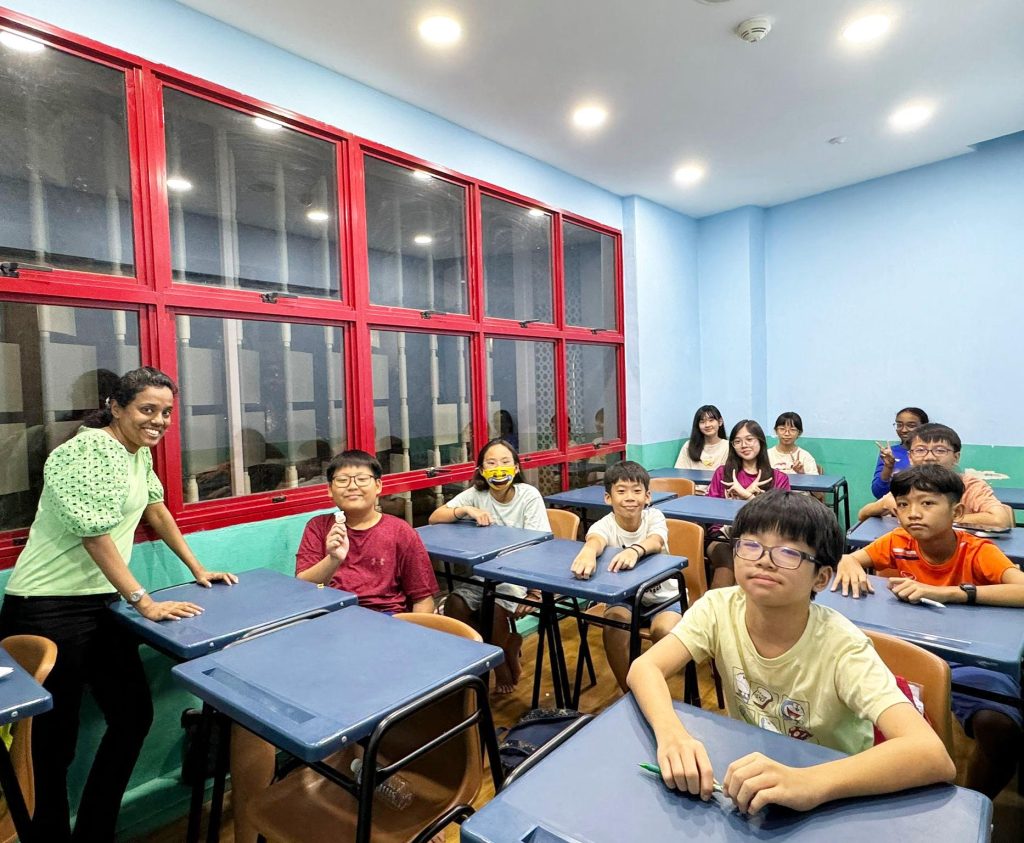
The school holidays are approaching, and parents across Woodlands, Admiralty, and Sembawang face a familiar dilemma: should the break be a time for complete rest, or is it an opportunity to give your child an academic boost? For many families, the question of whether to start tuition during the holidays is complicated by competing priorities. Children need rest and recreation after a demanding school term, but the holidays also offer uninterrupted time that could be used to address academic gaps or prepare for the challenges ahead.
This question becomes even more pressing when you consider the competitive nature of Singapore’s education system. Every parent wants their child to succeed, and seeing other families using the holidays for academic enrichment can create anxiety about falling behind. At the same time, there are legitimate concerns about overscheduling children and denying them the downtime they need for healthy development.
The truth is that there is no single right answer that applies to every family. The decision depends on your child’s specific circumstances, their current academic standing, their emotional needs, and your family’s values and priorities. What works perfectly for one child may be entirely wrong for another.
This comprehensive guide will help Woodlands parents navigate this decision thoughtfully. We will explore the genuine benefits of holiday tuition, discuss when it makes sense and when it does not, examine different types of holiday programmes available at tuition centres in Woodlands, and provide practical advice for making the choice that is right for your family. By the end, you will have the information you need to make a confident, informed decision about your child’s holiday learning.
The Case for Starting Tuition During School Holidays
There are compelling reasons why many families choose to begin or intensify tuition during school holidays. Understanding these benefits helps you evaluate whether they apply to your child’s situation.
Uninterrupted Learning Time
During the regular school term, students juggle multiple demands: daily school attendance, homework from various subjects, co-curricular activities, and often existing tuition commitments. This fragmented schedule makes it difficult to focus deeply on any single area of learning. Students may attend tuition tired from a long school day, with their attention divided among many competing priorities.
School holidays remove these constraints. Without the daily demands of school, students can approach tuition with fresh minds and full energy. They can focus deeply on understanding concepts without the pressure of tomorrow’s homework or next week’s test. This concentrated attention often leads to breakthroughs that would be difficult to achieve during the busy school term.
For students who are struggling, this uninterrupted time is particularly valuable. Catching up requires sustained focus, and the holidays provide the extended periods needed to address significant gaps. A student who has fallen behind in Mathematics, for example, may need many hours of focused work to rebuild their foundation. Attempting this during the school term, while simultaneously keeping up with new content, is extremely challenging.
Addressing Gaps Before They Compound
Academic learning is cumulative. Skills and concepts build upon each other, and gaps in foundational knowledge create problems that multiply over time. A Primary 4 student who does not fully understand fractions will struggle with ratio in Primary 5 and percentage calculations in Primary 6. A Secondary 1 student with weak algebra foundations will find Secondary 2 and 3 Mathematics increasingly difficult.
The school holidays provide an ideal opportunity to identify and address these gaps before they compound further. Without the pressure of keeping up with new school content, students can go back to earlier material and build the understanding they missed. This remedial work is far easier during holidays than during the term, when students are constantly racing to keep up with new content while simultaneously trying to fill old gaps.
Quality tuition in Woodlands Singapore uses the holidays strategically for this purpose. Tutors can assess students’ foundational knowledge, identify specific gaps, and design targeted programmes to address weaknesses. This diagnostic approach ensures that holiday time is used efficiently, focusing on the areas that will make the biggest difference.
Preparation for Upcoming Challenges
The holidays also offer an opportunity to prepare for challenges ahead. Students entering critical years such as Primary 5, Primary 6, Secondary 3, or Secondary 4 face significant increases in academic demands. Using the holidays to preview upcoming content can ease the transition and reduce stress when school resumes.
This preview approach is particularly valuable for students who tend to struggle with new concepts initially. By encountering material for the first time in a relaxed holiday setting with personalised support, these students can build familiarity before facing the same content in school. When the topic appears in class, they have a foundation to build on rather than encountering something entirely new.
Similarly, students preparing for major examinations benefit from holiday revision programmes. PSLE and O-Level preparation requires reviewing large amounts of content, and the extended blocks of time available during holidays allow for comprehensive revision that is difficult to achieve during the term.
Reduced Stress Environment
Starting tuition during the holidays can actually be less stressful than starting during the term. A new tuition programme requires adjustment: students must adapt to new teachers, new classmates, new expectations, and new routines. Making this adjustment while simultaneously managing regular school demands adds to an already full plate.
During holidays, students have the bandwidth to adapt to new tuition arrangements without competing pressures. They can focus on building relationships with tutors and finding their place in class without worrying about school homework or upcoming tests. This smoother transition often leads to better engagement with tuition when the regular term resumes.
The Case for Waiting Until After the Holidays
While holiday tuition has genuine benefits, there are also valid reasons why some families choose to wait. Being honest about these considerations helps ensure your decision serves your child’s overall wellbeing.
The Importance of Rest and Recovery
School terms are demanding, and children genuinely need periods of rest and recovery. Continuous academic activity without adequate breaks can lead to burnout, reduced motivation, and diminishing returns from study time. The holidays exist for a reason: to provide respite from the intensity of the school year.
This need for rest is physical, cognitive, and emotional. Physically, children need time for unstructured play, adequate sleep, and freedom from the daily grind of early mornings and packed schedules. Cognitively, the brain consolidates learning during rest periods, and constant input without consolidation time can actually impair long-term retention. Emotionally, children need opportunities to pursue their own interests, spend time with family, and simply enjoy being children.
For some students, particularly those who have been under significant academic pressure, the best use of the holidays may be genuine rest. Starting tuition during a period when a child desperately needs downtime can backfire, leading to resentment, resistance, and negative associations with learning.
Avoiding Overscheduling
Singaporean children are often heavily scheduled, with school, tuition, enrichment classes, and co-curricular activities filling nearly every available hour. While each individual activity may have merit, the cumulative effect can be overwhelming. Children need unstructured time for creativity, self-directed exploration, and simply learning to manage their own time.
Adding holiday tuition to an already overscheduled child may tip the balance in an unhealthy direction. Before committing to holiday programmes, honestly assess your child’s current schedule and stress levels. If they are already showing signs of fatigue or resistance, adding more structured academic activities may not be the answer.
Readiness and Motivation
Starting tuition works best when a child is ready and at least somewhat willing. A child who begins tuition resentfully, feeling that their holiday has been taken away, is unlikely to engage positively with the experience. This negative start can colour their entire relationship with tuition going forward.
If your child is strongly resistant to holiday tuition, it may be worth exploring why. Are they genuinely exhausted and in need of rest? Are they anxious about new situations? Do they have negative associations with tuition from past experiences? Understanding the source of resistance can help you address it appropriately, whether that means waiting until they are more ready, choosing a different type of programme, or addressing underlying concerns.
Considering holiday tuition for your child? BrightMinds Education offers flexible holiday programmes at our tuition centre in Woodlands. From intensive catch-up sessions to preview programmes for the upcoming term, we design our holiday offerings to meet your child’s specific needs. Contact us at https://wa.me/6591474941 to discuss your options.
Types of Holiday Programmes Available at Tuition Centres in Woodlands
If you decide that holiday tuition is right for your child, understanding the different types of programmes available helps you choose the most appropriate option. Tuition centres in Woodlands typically offer several distinct programme types during school holidays.
Catch-Up and Remedial Programmes
Catch-up programmes are designed for students who have fallen behind in one or more subjects. These programmes focus on revisiting content that was not fully mastered during the school term, filling gaps in foundational knowledge, and rebuilding confidence in struggling areas.
Effective catch-up programmes begin with assessment to identify specific gaps rather than assuming all students need the same content. A student struggling with Secondary Mathematics, for example, may have gaps in algebraic manipulation, or in arithmetic with fractions, or in problem-solving strategies. Each of these requires different intervention, and quality tuition in Woodlands Singapore diagnoses the specific need before designing the programme.
Catch-up programmes work best when they have realistic goals. A student who is significantly behind cannot fully catch up in a single holiday period, but they can make meaningful progress that puts them in a better position when school resumes. Setting appropriate expectations helps both parents and students approach the programme with the right mindset.
Preview and Preparation Programmes
Preview programmes introduce students to content they will encounter in the upcoming term or year. By familiarising students with new topics in advance, these programmes reduce the anxiety of encountering unfamiliar material and allow students to engage more confidently when the content appears in school.
These programmes are particularly valuable at transition points: entering upper primary, starting secondary school, beginning the O-Level years, or starting Additional Mathematics. At these junctures, students face significant increases in difficulty, and preview exposure can smooth the transition considerably.
Preview programmes should provide genuine understanding, not just superficial exposure. The goal is not simply to have seen the content before but to have built foundational understanding that will support deeper learning when the topic is covered more thoroughly in school.
Intensive Revision Programmes
For students preparing for major examinations, holidays offer opportunities for intensive revision that covers large amounts of content systematically. PSLE revision camps and O-Level preparation programmes help students consolidate their learning across all topics, identify remaining weaknesses, and practise examination techniques.
Effective revision programmes balance content review with examination practice. Students need to refresh their knowledge of all topics, but they also need to practise applying that knowledge under examination conditions. Time management, question interpretation, and answer presentation are all skills that require practice alongside content mastery.
The intensity of revision programmes should be appropriate for the student’s stamina and the time remaining before examinations. A programme that is too intense can lead to burnout, while one that is too relaxed may not provide adequate preparation. Quality tuition centres in Woodlands calibrate their programmes to maximise benefit without overwhelming students.
Enrichment and Extension Programmes
Not all holiday tuition is remedial or examination-focused. Some programmes are designed to enrich and extend learning for students who are performing well and want to be challenged further. These programmes might explore topics beyond the standard syllabus, develop higher-order thinking skills, or prepare students for competitions and special programmes.
Enrichment programmes are appropriate for students who are already confident in their regular schoolwork and have genuine interest in deeper learning. They should not be pursued simply for competitive advantage or parental ambition, as this can undermine intrinsic motivation and create unhealthy pressure.
Flexible Individual Programmes
Some tuition centres in Woodlands offer flexible holiday arrangements that can be customised to individual needs. Rather than enrolling in a fixed programme, families can arrange sessions that target specific concerns, fit around holiday travel plans, or provide support at whatever level is needed.
This flexibility is valuable for families whose needs do not fit standard programme structures. A student who needs help with one specific topic, for example, may not need a full intensive programme but would benefit from a few targeted sessions.
Making the Decision: A Framework for Woodlands Parents
With the benefits, concerns, and options laid out, how should you actually make the decision about holiday tuition? This framework provides a structured approach to thinking through the choice.
Step 1: Assess Your Child’s Current Academic Standing
Begin by honestly evaluating where your child stands academically. Are they keeping up comfortably with school demands, or are they struggling? Have they developed gaps in foundational knowledge that are affecting current learning? Are they approaching a critical transition or examination period?
If your child is performing well and coping comfortably, the case for holiday tuition is less pressing. Rest and recreation may be the better use of holiday time. If significant gaps exist or challenging periods lie ahead, the argument for holiday academic support strengthens.
Step 2: Consider Your Child’s Emotional and Physical State
Academic standing is not the only consideration. A child who is exhausted, stressed, or showing signs of burnout may need rest more than additional academic input, regardless of their grades. Conversely, a child who is energetic and curious may welcome holiday learning opportunities that would overwhelm a more fatigued peer.
Talk to your child about how they are feeling. Observe their energy levels, mood, and engagement with daily activities. If they are depleted, prioritise recovery. If they are thriving, they may have capacity for productive holiday learning.
Step 3: Evaluate the Specific Opportunity
Not all holiday tuition is equal. A well-designed programme from a quality tuition centre in Woodlands may be highly beneficial, while a poorly structured programme could waste time and money while adding stress. Before committing, evaluate the specific programme you are considering.
Ask about class sizes, teaching approaches, and programme goals. Understand what the programme aims to achieve and how progress will be measured. Consider whether the schedule is realistic given your family’s other holiday plans and commitments. A programme that requires attendance during a family trip, for example, creates unnecessary conflict.
Step 4: Involve Your Child in the Decision
Age-appropriately involving your child in the decision increases their buy-in and engagement. This does not mean giving them veto power over all academic decisions, but it does mean explaining your thinking, listening to their concerns, and acknowledging their perspective.
A child who understands why holiday tuition is being considered and feels their views have been heard is more likely to engage positively than one who feels the decision has been imposed without consultation. Even if the final decision is not what they would choose, feeling respected in the process matters.
Step 5: Start Small If Uncertain
If you are unsure whether holiday tuition is right for your child, consider starting with a limited commitment rather than an intensive programme. A few trial sessions or a short-term programme allows you to assess the fit before making a larger investment of time and money.
This trial approach is particularly valuable if your child has not attended tuition before or has had negative past experiences. A positive initial experience during the holidays can transform attitudes toward tuition, while a negative experience may reinforce resistance.
Practical Tips for Successful Holiday Tuition
If you decide to proceed with holiday tuition, these practical tips will help ensure the experience is positive and productive.
Balance Tuition with Rest and Recreation
Holiday tuition should be part of a balanced holiday, not the entirety of it. Ensure your child still has time for rest, play, family activities, and pursuing their own interests. A holiday that consists entirely of academic activities is not really a holiday and is unlikely to produce the benefits you are hoping for.
Consider scheduling tuition in a way that preserves significant holiday time. Morning sessions, for example, leave afternoons and evenings free for other activities. Attending tuition three days per week rather than five maintains academic focus while preserving genuine holiday time.
Communicate with Your Child’s Regular Teachers
If you are using holiday tuition to address specific academic concerns, communicating with your child’s school teachers can be valuable. Teachers can provide insight into exactly where your child is struggling and what foundational gaps may be contributing. This information helps tuition centres in Woodlands target their instruction effectively.
Similarly, let tuition teachers know about any school requirements or upcoming assessments. This coordination ensures that holiday tuition supports rather than conflicts with school learning.
Set Realistic Expectations
Be realistic about what holiday tuition can achieve. A few weeks of holiday sessions will not transform a struggling student into a top performer, but it can make meaningful progress on specific gaps. Setting appropriate expectations prevents disappointment and helps you evaluate the programme fairly.
Discuss expectations with both your child and the tuition centre. Ensure everyone understands what outcomes are realistic and how progress will be measured. This shared understanding creates accountability and allows for meaningful evaluation of whether the programme is working.
Monitor and Adjust
Pay attention to how your child responds to holiday tuition. Are they engaging positively? Is their understanding improving? Are they maintaining adequate energy and wellbeing? If the programme is not working as hoped, be willing to adjust rather than persisting with something ineffective.
Check in regularly with your child about their experience. Ask what they are finding helpful and what feels difficult. This feedback helps you support their learning and provides information for discussing any concerns with the tuition centre.
Holiday Programmes at BrightMinds Education
At BrightMinds Education, we offer thoughtfully designed holiday programmes that balance academic benefit with student wellbeing. Our tuition centre in Woodlands provides options for students at all levels and with varying needs.
Our catch-up programmes help students address gaps in foundational knowledge, with individual assessment to ensure targeted instruction. Our preview programmes prepare students for upcoming challenges, building confidence before the new term begins. Our revision programmes support examination preparation with comprehensive content review and practice.
We maintain our small group approach during holidays, ensuring personalised attention even in intensive programmes. Our experienced teachers understand the importance of making holiday learning engaging and positive, not simply extending school-term pressure into break periods.
Located conveniently in Woodlands, we serve families throughout Woodlands, Admiralty, and Sembawang. Our neighbourhood presence means easy access without lengthy travel, preserving more of your family’s holiday time.
Conclusion
The decision about holiday tuition is personal and depends on your child’s specific circumstances. There is no universally right answer, and what works for other families may not be right for yours. The key is to think carefully about your child’s needs, consider both the benefits and the costs, and make a decision that serves their overall development.
For many Woodlands families, thoughtfully chosen holiday tuition provides valuable opportunities to address gaps, prepare for challenges, and make progress without the competing demands of the regular school term. For others, the holidays are better spent in rest, recreation, and family connection. Both choices can be right depending on the situation.
Whatever you decide, remember that your child’s long-term success depends on far more than any single holiday period. A balanced approach that supports both academic growth and overall wellbeing will serve them better than any amount of intensive study at the expense of their health and happiness.
Explore Holiday Tuition Options at BrightMinds
Make this holiday count for your child’s academic journey.
BrightMinds Education offers flexible holiday programmes at our tuition centre in Woodlands. Whether your child needs catch-up support, examination preparation, or a head start on upcoming content, we have options to suit your needs.
Contact us today to discuss how we can support your child during the school holidays.
Contact BrightMinds Education:
- WhatsApp: https://wa.me/6591474941
- Email: Brightmindscentre@gmail.com
- Website: https://brightmindsedu.com/contact-us/
Our Locations:
- Woodlands North Plaza: Blk 883 Woodlands St 82 #02-464 S730883 | Call: 6363-0180
- Woodlands Ave 6: Blk 763 Woodlands Ave 6 #01-70 S730763 | Call: 6366-6865
- Opening Hours: Mon-Fri 4pm-9:30pm | Sat 9am-5pm | Closed Sun & PH