
Primary Chinese Tuition in Woodlands: Effective Strategies for Non-Native Speakers
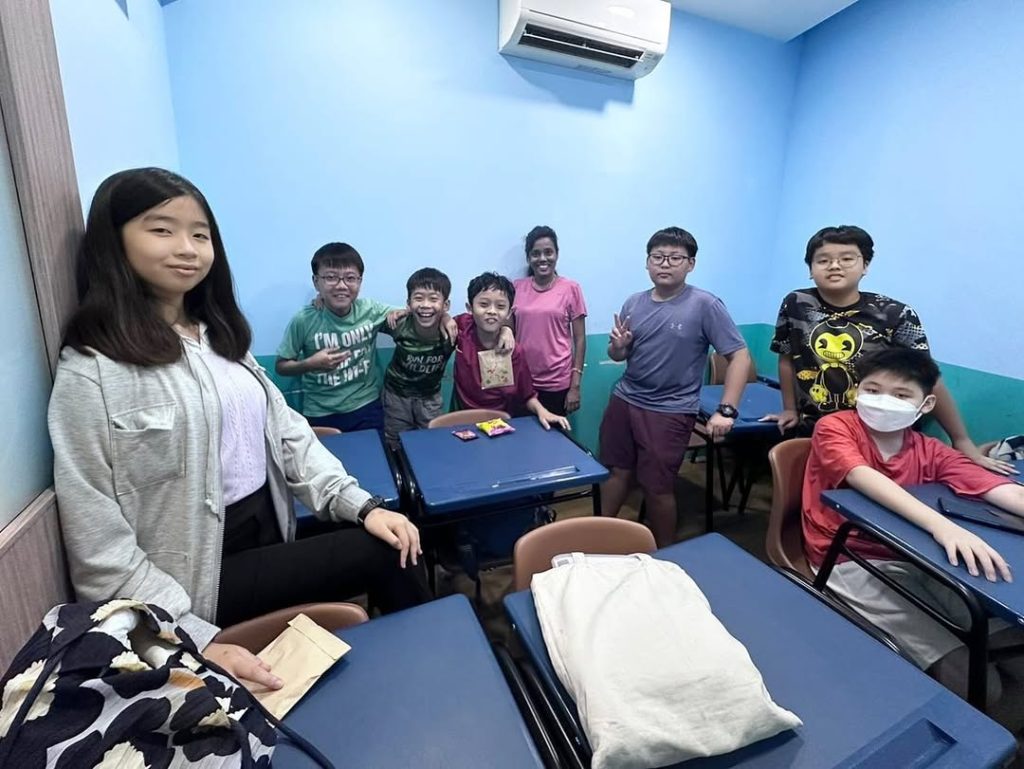
Learning Chinese can be a daunting task for many students, particularly for those whose first language is not Mandarin. In Singapore, where Chinese is one of the official languages and a key subject in primary school, students who are non-native speakers often face unique challenges. From mastering pronunciation to composing essays and participating in oral exams, the journey can be overwhelming. However, with the right support and effective strategies, these challenges can be overcome. This is where Primary Chinese Tuition in Woodlands plays a crucial role.
In this article, we will delve into the common challenges faced by non-native speakers of Chinese, as well as effective strategies that can help overcome these obstacles. Whether it’s strengthening oral skills, improving composition writing, or building vocabulary, we’ll explore how the right tuition can make a significant difference. At BrightMinds Education, we focus on personalized tuition that caters to the needs of each student, helping them not only excel in Chinese but also develop a love for the language.
Understanding the Challenges of Non-Native Chinese Speakers
For non-native speakers, learning Chinese often presents several hurdles that can hinder their progress and confidence. These challenges are not just about understanding the language but also about integrating it into everyday use, both in written and oral forms. The following are some of the most common challenges faced by primary school students:
1. Pronunciation and Tones
One of the most fundamental challenges for non-native speakers is mastering the pronunciation and tones of Mandarin Chinese. Unlike English, where words typically have one sound per letter or combination of letters, Chinese is a tonal language. This means that the tone in which a word is spoken can change its meaning entirely. For example, the word “ma” can mean “mother,” “horse,” “hemp,” or “scold,” depending on the tone used.
For non-native speakers, distinguishing between these tones and pronouncing them correctly can be a real challenge. Even when the words are written correctly, incorrect pronunciation can lead to confusion or misunderstanding. This makes oral communication in Chinese particularly challenging for young learners.
2. Character Recognition and Writing
Another significant hurdle is character recognition and writing. Unlike alphabetic languages such as English, Chinese uses thousands of unique characters, each representing a word or concept. Learning to write and recognize these characters requires memorization and practice, which can be daunting for students who are new to the language.
Non-native speakers often struggle with writing Chinese characters accurately and legibly. The sheer volume of characters that need to be learned, combined with the complexity of some of them, can make this process particularly overwhelming.
3. Oral Practice and Communication
Oral proficiency is another area where non-native speakers often face difficulties. Chinese language exams, particularly the PSLE, require students to perform well in both the written and oral components. For non-native speakers, the idea of conversing in Chinese can feel intimidating, especially in a classroom setting where classmates may seem more fluent. The pressure to perform well in oral exams adds an extra layer of stress.
For many primary school students, speaking in Chinese is a challenge because they lack the opportunities to practice the language outside of school. The lack of immersion in a Chinese-speaking environment means that students must rely on classroom learning and tuition to build their speaking confidence.
4. Composition Writing
Composition writing is a significant component of the Chinese language curriculum in primary school. For students who are non-native speakers, composing essays in Chinese can be particularly difficult. Expressing ideas coherently, using correct grammar, and selecting appropriate vocabulary can be overwhelming. Often, these students are more comfortable writing in English, and translating their ideas into Chinese can be a complex task.
Effective Strategies for Mastering Chinese for Non-Native Speakers
While these challenges can be significant, they are not insurmountable. With the right strategies and consistent practice, students can make substantial progress in their Chinese learning journey. Below, we will outline some effective strategies for overcoming these challenges, with a special focus on how Primary Chinese Tuition in Woodlands can help.
1. Focusing on Pronunciation from the Start
Given the importance of tones and pronunciation in Chinese, it is essential to focus on these areas from the very beginning. Students who struggle with pronunciation often find it difficult to progress in other areas of the language. Therefore, oral practice should be integrated into every lesson.
At BrightMinds Education, our tuition focuses on tone drills, listening comprehension exercises, and pronunciation practice. We encourage students to speak out loud and repeat after the teacher, ensuring they develop the ability to distinguish between different tones and pronounce words correctly. Interactive activities, such as singing Chinese songs or reading aloud, can make learning tones more enjoyable and less intimidating for primary students.
2. Building Vocabulary through Contextual Learning
Learning vocabulary is essential for becoming proficient in any language. However, rote memorization of Chinese words can be daunting for students, especially when there is no clear context for using the words. At BrightMinds, we emphasize contextual learning, helping students to understand not just the meaning of words but also how they are used in sentences.
For example, instead of just memorizing isolated words like “school” or “book,” we encourage students to learn them in phrases or sentences, such as “我的学校很大” (My school is very big). This contextual approach helps students remember vocabulary better because it allows them to see how words are used in everyday situations. It also helps students build sentences, which is crucial for developing writing and speaking skills.
3. Effective Techniques for Character Writing
Learning to write Chinese characters can be a challenge, but it is also an area where students can make noticeable progress with the right techniques. Instead of focusing on memorizing long lists of characters, students should practice writing characters in strokes and components, breaking down each character into manageable parts.
At BrightMinds, we use the Radical Method, where students are taught to identify and write radicals (the building blocks of Chinese characters). This method makes it easier for students to understand how characters are formed and remember them more effectively. We also incorporate character-writing exercises into our lessons, using both traditional methods like calligraphy and digital tools that can track progress.
4. Maximizing Oral Practice Opportunities
Since oral proficiency is one of the biggest challenges for non-native speakers, oral practice should be an integral part of every lesson. This is particularly important in primary Chinese tuition, where students need to feel comfortable speaking and expressing themselves in Chinese.
At BrightMinds, we integrate oral practice into every lesson through activities such as role-playing, dialogue exercises, and discussion prompts. We encourage students to use Chinese in a variety of real-life scenarios, such as ordering food at a restaurant or introducing themselves to a new friend. This practical approach builds students’ speaking confidence and prepares them for the oral exams in a stress-free manner.
5. Improving Composition Writing Skills
Composition writing is one of the more difficult aspects of learning Chinese for non-native speakers. To improve composition writing, students must first understand the structure of a Chinese essay. This includes knowing how to organize ideas clearly, use appropriate transitions, and select suitable vocabulary.
At BrightMinds, we break down the composition process into smaller, manageable steps. First, we teach students how to brainstorm ideas and organize them into an outline. Then, we guide them through writing each section of the composition, emphasizing the importance of coherence and grammar. We also provide examples of well-written compositions, which students can use as references for their own writing.
To make composition writing more engaging, we incorporate creative prompts and encourage students to write about topics that interest them. This helps them express their thoughts more freely, without the pressure of writing about prescribed topics. With practice and guidance, students gain the confidence to write well-structured compositions.
Why BrightMinds Education is the Right Choice for Chinese Tuition in Woodlands
BrightMinds Education offers Primary Chinese Tuition in Woodlands tailored to meet the unique needs of non-native speakers. Our small group tuition approach allows for personalized attention, ensuring that each student receives the support they need to overcome their challenges. With our experienced teachers and proven teaching methodologies, we provide a holistic approach to Chinese learning that includes oral practice, character writing, vocabulary building, and composition skills.
Our tuition centre in Woodlands is designed to be a supportive and friendly environment where students feel confident and comfortable in their learning. We understand that each child is unique, and we adapt our teaching methods to suit their individual learning styles. Whether your child is struggling with pronunciation or composition writing, BrightMinds Education has the expertise to help them excel in Chinese.
Conclusion
Mastering Chinese as a non-native speaker can be a challenging but rewarding journey. With the right strategies and consistent practice, primary students in Woodlands can overcome these challenges and build confidence in their Chinese language abilities. By focusing on pronunciation, vocabulary, oral practice, and composition writing, students can excel in Chinese and develop a deeper appreciation for the language.
If you’re looking for effective Chinese tuition in Woodlands that focuses on building your child’s confidence and proficiency in Chinese, BrightMinds Education is here to help. Register now to secure a spot for your child and give them the tools they need to succeed in learning Chinese.