
Primary Chinese Oral Exam Tips: Building Fluency with Woodlands Tuition Support
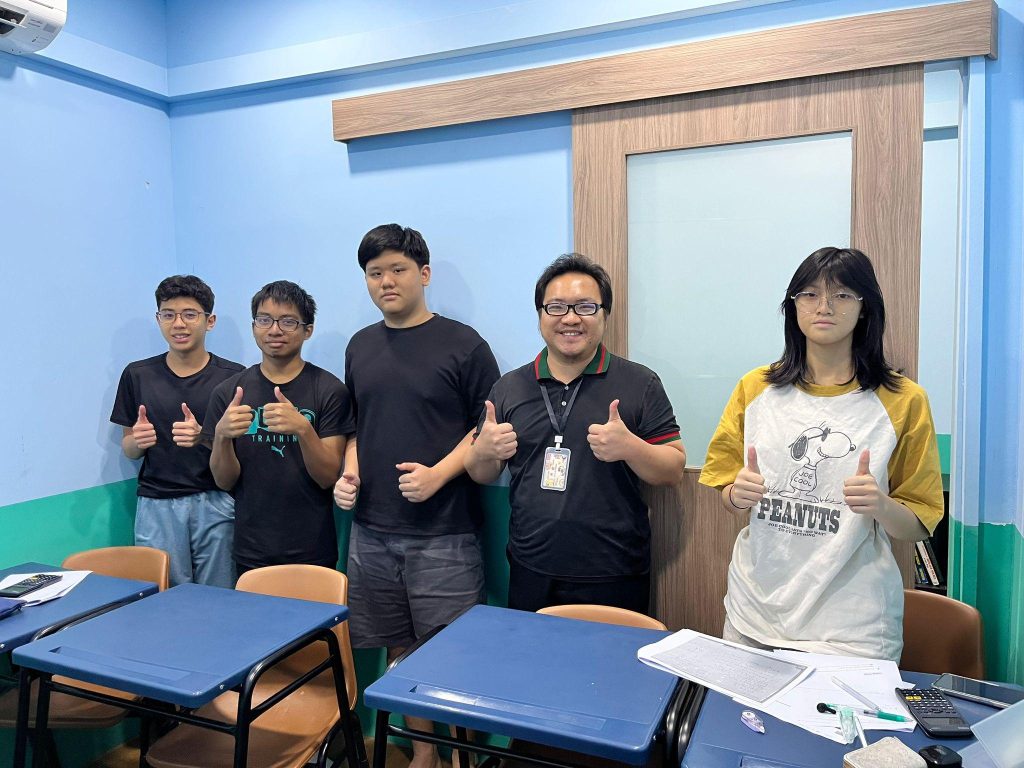
For many primary school students in Singapore, the Chinese oral examination is the most anxiety-inducing component of their language assessment. Unlike written papers where students can take time to think and revise, oral exams demand immediate, real-time performance. Your child must read fluently, think quickly, and speak confidently—all while being assessed by an examiner. It’s no wonder so many parents seeking primary Chinese tuition in Woodlands specifically ask for help with oral preparation.
The challenge is particularly acute for children from English-speaking households, where Mandarin isn’t the language of daily conversation. These students may understand Chinese well enough to pass written exams but freeze when required to speak spontaneously. If this sounds like your child, know that significant improvement is possible with the right strategies and consistent practice.
In this comprehensive guide, we’ll break down exactly what the PSLE Chinese oral examination requires, share proven techniques for each component, and explain how targeted support can transform your child’s spoken Chinese abilities.
Understanding the PSLE Chinese Oral Examination Format
Before diving into preparation strategies, let’s clarify exactly what your child will face during the oral examination. The PSLE Chinese oral is worth 50 marks and consists of two distinct components.
Component 1: Reading Aloud (朗读) — 20 Marks
Students are given a short passage of approximately 150-200 characters to read aloud. They have a brief preparation time to review the passage before reading to the examiner. Marks are awarded for accuracy of pronunciation, fluency and pacing, and expression and intonation.
This component tests whether students can decode Chinese characters correctly and read them in a natural, expressive manner. It’s not simply about pronouncing each word—examiners listen for students who read with understanding, pausing appropriately and varying their tone to match the content.
Component 2: Video Conversation (看视频说话) — 30 Marks
Students watch a short video clip depicting a scenario or situation. After viewing, they must respond to questions from the examiner about what they observed, share their opinions on related topics, and connect the theme to their personal experiences or broader perspectives.
This component carries more weight because it tests genuine communicative ability. Students cannot memorise answers in advance since they don’t know what video they’ll see. Success requires a combination of comprehension, vocabulary, and the ability to organise thoughts quickly in Mandarin.
Why Students Struggle with Chinese Oral Examinations
Understanding why the oral exam is difficult helps us address the root causes rather than just the symptoms. Here are the most common challenges our Chinese tuition teachers in Woodlands have identified.
Limited Daily Exposure to Spoken Mandarin
Many Singaporean families primarily speak English at home. Children in these households may study Chinese as a school subject but rarely use it for genuine communication. This creates a significant gap between passive knowledge (understanding Chinese when heard or read) and active production (speaking Chinese fluently).
A student might recognise hundreds of Chinese characters and comprehend passages well, yet struggle to form sentences spontaneously because they’ve never had to do so in daily life.
Reading Without Understanding
Some students learn to read Chinese characters phonetically without fully grasping their meaning. They can pronounce words correctly in isolation but read passages in a flat, mechanical way because they’re not processing the meaning as they read. This leads to poor expression and unnatural pacing.
True reading fluency requires understanding—when students comprehend what they’re reading, natural expression follows automatically.
Vocabulary Gaps for Spoken Expression
Written Chinese and spoken Chinese, while related, use somewhat different vocabulary and structures. Students who only encounter Chinese in textbooks may lack the everyday vocabulary needed for natural conversation. When asked to describe a video or share opinions, they search for words and end up giving stilted, minimal responses.
Performance Anxiety
The oral examination format itself creates pressure. Being assessed one-on-one by an examiner, knowing that every hesitation and mistake is being evaluated, causes many students to perform below their actual ability. Anxiety interferes with memory retrieval and fluent speech production.
Students who speak Chinese comfortably at home or with friends may suddenly stumble when the stakes feel high.
Lack of Practice with the Specific Format
Many students simply haven’t practised enough with the exact format of the oral exam. They might be able to read Chinese texts or have casual conversations, but the specific demands of the exam—reading an unfamiliar passage expressively, responding to questions about an unseen video—require targeted practice.
Mastering the Reading Aloud Component
Let’s examine specific strategies for excelling in the reading aloud section. These techniques can dramatically improve your child’s performance with consistent practice.
Develop Character Recognition Automaticity
The foundation of fluent reading is instant character recognition. When students have to pause to decode characters, their reading becomes choppy and unnatural. Building a strong sight vocabulary of common characters allows cognitive resources to focus on expression rather than recognition.
Regular reading practice—even just 10-15 minutes daily—builds this automaticity over time. The key is consistency rather than occasional intensive sessions.
Practice Proper Pronunciation and Tones
Mandarin is a tonal language, and incorrect tones can change meaning entirely. Many students, especially those from non-Mandarin speaking homes, develop habitual tone errors that become difficult to correct later.
When practising reading aloud, pay attention to the four tones and ensure each syllable is pronounced with the correct tone. Recording your child reading and playing it back helps identify patterns of error that might otherwise go unnoticed.
Read in Meaningful Phrases, Not Word by Word
Fluent readers naturally group words into meaningful phrases, pausing at logical break points. Students who read word by word sound robotic and fail to convey the passage’s meaning effectively.
Teach your child to look ahead slightly as they read, grouping words that belong together. For example, “我的妈妈” (my mother) should flow as one phrase, not three separate words.
Match Expression to Content
Different passages require different tones. A descriptive passage about nature calls for a calm, appreciative tone. A narrative with dialogue requires variation to distinguish speakers. An informational passage should sound clear and measured.
During preparation time, students should quickly identify the passage type and consciously adjust their planned delivery. This shows examiners that the student truly understands what they’re reading.
Use Preparation Time Wisely
Students are given time to review the passage before reading aloud. This time should be used strategically: first, scan for any unfamiliar characters and try to determine their pronunciation from context or phonetic components. Second, identify natural pause points and phrase groupings. Third, note any sections requiring particular expression (dialogue, questions, exclamations).
Students who simply read the passage silently without strategic analysis waste this valuable preparation opportunity.
Excelling in the Video Conversation Component
The video conversation component often determines whether students achieve good or excellent oral scores. Here’s how to prepare effectively.
Build a Foundation of Descriptive Vocabulary
To describe video content effectively, students need ready access to vocabulary for common scenarios: family situations, school life, community events, environmental themes, and moral dilemmas. These are the topics that typically appear in oral examination videos.
Create vocabulary lists organised by theme and review them regularly. When your child encounters new descriptive words in their reading, add these to the relevant list. The goal is building a mental database of words that can be retrieved quickly during the exam.
Practice the “What I See, What I Think, What I Connect” Framework
Teach your child to structure responses using this three-part framework. First, describe what is happening in the video objectively—who is involved, what are they doing, where does it take place? Second, share opinions about the situation—is it good or bad, why might the people be behaving this way, what might happen next? Third, connect to personal experience or broader observations—have you experienced something similar, what would you do, why is this topic important?
This framework ensures responses have substance and structure rather than being brief and superficial.
Develop the Habit of Elaboration
Many students give minimal answers because they’re not in the habit of elaborating. When asked “What do you see in the video?”, they might say “A boy is helping an old woman” and stop. A stronger response would add details: “A young boy wearing his school uniform is helping an elderly woman carry her heavy shopping bags across a busy street. The woman looks grateful and is smiling at the boy.”
Practice elaboration in daily conversation. When your child tells you about their day, prompt them for more details. This habit transfers to exam performance.
Prepare for Common Question Types
While students can’t predict exactly what video they’ll see, certain question types recur frequently. These include descriptive questions (What is happening? Who are the people involved?), inferential questions (Why do you think they did that? How might they be feeling?), opinion questions (Do you think this is right? What would you do?), and connection questions (Have you experienced something similar? How does this relate to your life?).
Practicing responses to these question types across various scenarios builds flexible response skills.
Speak in Complete Sentences with Connectors
Responses should use complete sentences connected logically. Words like 因为 (because), 所以 (therefore), 虽然…但是 (although…but), 首先…然后…最后 (first…then…finally) demonstrate language sophistication and help organise extended responses.
Students who speak in sentence fragments or disconnected statements score lower, even if their individual points are valid.
Building Confidence for Oral Performance
Technical skills matter, but confidence often determines whether students can actually demonstrate those skills under exam pressure. Here’s how to build genuine confidence.
Create Regular Low-Stakes Speaking Opportunities
Confidence grows through repeated successful experiences. Create daily opportunities for your child to speak Mandarin in relaxed, supportive contexts. This might be a few minutes of Chinese conversation during dinner, watching Chinese programmes together and discussing them, or having your child explain their homework to you in Mandarin.
The goal is making Chinese speaking feel normal and comfortable rather than something that only happens during stressful assessments.
Practice with Unfamiliar Passages and Videos
Familiarity breeds confidence. Students who have practiced reading many different passages and responding to many different video scenarios feel less anxious when facing new content in the exam. They know from experience that they can handle unfamiliar material.
Source practice materials beyond school textbooks—children’s Chinese newspapers, age-appropriate online videos, and past year oral resources all provide valuable variety.
Record and Review Practice Sessions
Recording your child’s practice sessions serves multiple purposes. It allows them to hear themselves objectively, identifying areas for improvement. It tracks progress over time, which builds confidence as improvement becomes audible. And it simulates the pressure of being “recorded,” helping students become comfortable with being assessed.
Review recordings together with a constructive, encouraging approach. Note improvements as well as areas to work on.
Simulate Exam Conditions
As the exam approaches, conduct full practice sessions under exam-like conditions. Use a timer, have your child read to an “examiner” (parent, tutor, or even an older sibling), and include the video conversation component. This familiarity with the format reduces anxiety on exam day.
Students who have completed many practice exams know exactly what to expect and can focus on performing rather than worrying about the unknown.
Address Anxiety Directly
Some students experience significant anxiety that interferes with performance. If your child’s nervousness seems excessive, address it directly. Teach simple calming techniques: deep breathing before entering the exam room, positive self-talk (“I have practiced, and I am prepared”), and reframing nervousness as excitement.
For severe anxiety, consider speaking with your child’s school counsellor or seeking additional support.
How BrightMinds Education Supports Chinese Oral Development
At BrightMinds Education, we understand that oral Chinese proficiency requires more than textbook study. Our primary Chinese tuition in Woodlands incorporates dedicated oral practice into every lesson, ensuring students develop speaking confidence alongside reading and writing skills.
Our small group format is particularly beneficial for oral preparation. Unlike large classes where students might speak only once or twice per lesson, our groups ensure every student has multiple opportunities to practice speaking each session. Students also learn from hearing their peers’ responses and receiving feedback together.
Our experienced Chinese tuition teachers in Woodlands break down oral techniques systematically. We teach the reading strategies that lead to expressive, fluent delivery. We practice video conversation using diverse scenarios and provide structured frameworks for comprehensive responses. We give specific, constructive feedback that helps students understand exactly how to improve.
We also create a supportive environment where students feel safe making mistakes. Many children avoid speaking Chinese because they fear embarrassment. In our Woodlands centres, mistakes are treated as learning opportunities, and students gradually build the confidence to speak freely.
Regular mock oral examinations help students become comfortable with the exam format before they face the actual assessment. By the time exam day arrives, our students have completed numerous practice orals and know exactly what to expect.
What Parents Can Do at Home
Parental support significantly impacts oral Chinese development. Even if your own Mandarin isn’t fluent, you can still help in meaningful ways.
Increase Chinese Exposure
Surround your child with spoken Mandarin through Chinese television programmes, songs, podcasts, or audiobooks. Even passive exposure helps tune the ear to natural rhythms and pronunciation. When possible, engage your child in discussing what they’ve heard or watched.
Encourage Speaking Without Correction Overload
When your child speaks Mandarin, resist the urge to correct every error. Constant correction makes children self-conscious and reluctant to speak. Instead, respond to the content of what they say, modelling correct language naturally in your response.
Save explicit correction for dedicated practice time rather than casual conversation.
Celebrate Progress
Learning to speak a language fluently is a long journey. Celebrate milestones along the way—a passage read more smoothly, a longer response given, a new word used correctly. This positive reinforcement keeps motivation high.
Stay in Communication with Teachers
Whether at school or tuition, stay informed about what your child is learning and where they need support. Ask teachers for specific suggestions on how to reinforce oral skills at home. Aligned support between home and classroom accelerates progress.
Be Patient and Consistent
Oral fluency develops gradually through consistent practice, not overnight through intensive cramming. Short daily practice is more effective than occasional long sessions. Trust the process and maintain realistic expectations.
Conclusion: Fluency Is Achievable
The PSLE Chinese oral examination challenges many students, but strong performance is absolutely achievable with proper preparation. By understanding the exam format, practising specific techniques for reading aloud and video conversation, and building confidence through regular speaking opportunities, your child can approach the oral exam with assurance rather than anxiety.
If your child needs additional support developing Chinese oral skills, quality Chinese tuition in Woodlands can provide the structured practice and expert guidance that makes a real difference. At BrightMinds Education, we’ve helped many students across Woodlands, Admiralty, and Sembawang transform their spoken Chinese abilities and achieve their oral exam goals.
Ready to help your child speak Chinese with confidence? Contact us today to learn more about our Chinese tuition programmes.
📍 Visit us at: Blk 883 Woodlands North Plaza St 82 #02-464 S730883 — Call 6363-0180 Blk 763 Woodlands Ave 6 #01-70 S730763 — Call 6366-6865
📱 WhatsApp: https://wa.me/6591474941 📧 Email: Brightmindscentre@gmail.com 🌐 Website: https://brightmindsedu.com/contact-us/
Opening Hours: Mondays to Fridays 4–9.30pm, Saturdays 9am–5pm (Woodlands North Plaza) / 9am–4pm (Woodlands Ave 6). Closed on Sundays and Public Holidays.