
Primary 5 Tuition in Woodlands: Why This Year Is Critical for PSLE Success
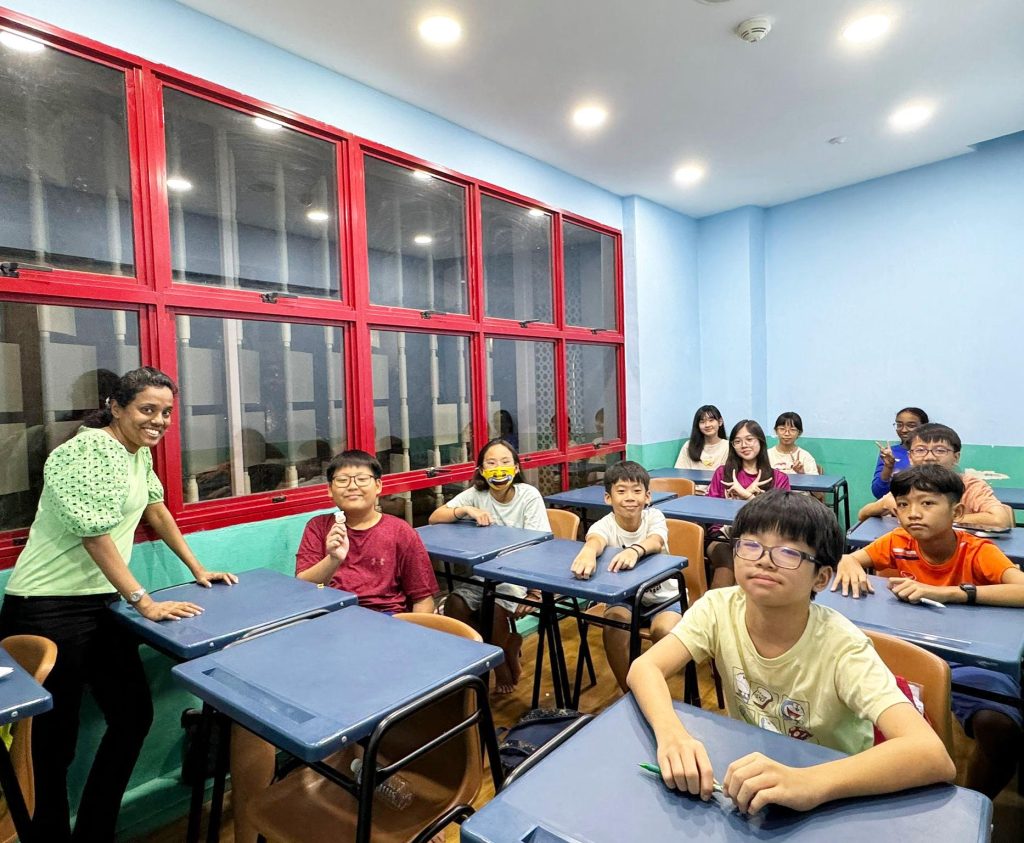
If you are a parent of a Primary 5 student in Woodlands, you may be wondering whether this is the right time to consider tuition support for your child. After all, PSLE is still a year away. Many parents assume that the crucial preparation period begins in Primary 6, when the examination looms large on the calendar. However, experienced educators and parents who have been through the PSLE journey will tell you something different: Primary 5 is arguably the most important year in your child’s primary school education.
The truth is that by the time Primary 6 begins, most of the PSLE syllabus has already been taught. Primary 6 is largely dedicated to revision, practice papers, and examination preparation. If your child enters P6 with gaps in their understanding or weak foundations in key subjects, catching up while simultaneously preparing for the biggest examination of their young life becomes an uphill battle.
This is why primary school tuition in Woodlands sees a significant increase in enrolments during the Primary 5 year. Parents who understand the critical nature of this academic year are taking proactive steps to ensure their children build strong foundations before the PSLE year begins. In this comprehensive guide, we will explore why Primary 5 is so pivotal, what makes this year academically challenging, and how the right support can set your child up for PSLE success.
Understanding the Primary 5 Academic Landscape
The Year When Everything Comes Together
Primary 5 represents a significant shift in academic demands. The topics covered this year are not only more complex than previous years but also form the foundation for the most challenging PSLE questions. In many ways, P5 is when all the building blocks from P3 and P4 come together to form complete conceptual frameworks.
For Mathematics, P5 introduces topics that many students find genuinely difficult for the first time. Concepts like percentage, ratio, rate, and advanced fractions require students to think abstractly and apply multiple skills simultaneously. These are not topics that can be memorised; they require deep understanding and the ability to recognise which concepts apply to different problem types.
For Science, P5 marks the completion of most PSLE topics. Students learn about the respiratory and circulatory systems, reproduction in plants and animals, and electrical systems. These topics require students to understand interconnected processes and apply scientific reasoning to explain observations. The shift from factual recall to application-based questions becomes more pronounced.
For English, P5 is when comprehension passages become significantly more challenging, requiring inference skills and the ability to analyse text at a deeper level. Composition expectations also increase, with students expected to demonstrate more sophisticated vocabulary, varied sentence structures, and compelling narrative techniques.
For Chinese, P5 continues to build on oral and written skills, with composition topics becoming more abstract and comprehension passages increasing in complexity. Students who have struggled with Chinese in earlier years often find the gap widening during P5.
The Syllabus Completion Reality
Here is a fact that surprises many parents: approximately 80% of the PSLE syllabus is completed by the end of Primary 5. This means that the bulk of new content your child needs to master for PSLE is taught during P5. Primary 6 focuses primarily on:
- Completing the remaining 20% of new content (usually in the first term)
- Extensive revision of all topics from P3 to P6
- Examination techniques and paper practice
- Timed assessments and mock examinations
If your child completes P5 with significant gaps in understanding, P6 becomes a year of trying to learn new content while simultaneously filling old gaps and preparing for examinations. This is an overwhelming burden that leads to stress, burnout, and underperformance.
Parents seeking PSLE tuition in Woodlands often share that they wish they had started support earlier. The difference between a student who enters P6 with solid P5 foundations and one who enters with gaps is substantial and often difficult to close in the limited time available.
Why Primary 5 Students Struggle: Common Challenges
The Leap in Conceptual Difficulty
One of the most significant challenges P5 students face is the sudden increase in conceptual difficulty across all subjects. Topics that seemed manageable in P4 give way to more abstract and interconnected concepts in P5.
In Mathematics, for example, students move from straightforward calculations to multi-step problem sums that require them to identify relationships, choose appropriate strategies, and execute multiple operations accurately. A single word problem might require understanding of fractions, percentages, and ratios simultaneously. Students who rely on memorising methods rather than understanding concepts find themselves struggling.
In Science, the shift from “what” questions to “why” and “how” questions catches many students off guard. It is no longer sufficient to know that plants need sunlight; students must explain the process of photosynthesis and how it relates to the food chain and energy transfer. This requires a fundamentally different approach to learning.
Increased Homework and Academic Pressure
P5 students typically experience a noticeable increase in homework load and academic expectations. Schools begin preparing students for the rigours of P6, which means more assignments, more tests, and higher standards for performance. Students who managed their workload comfortably in P4 may find themselves overwhelmed by the increased demands.
This pressure is compounded by the knowledge that PSLE is approaching. Some students respond to this pressure by working harder, while others become anxious or disengaged. Without proper support and guidance, the increased pressure can lead to negative attitudes toward learning precisely when positive engagement is most important.
Accumulated Gaps Becoming Apparent
Primary 5 is often the year when accumulated gaps from earlier years become impossible to ignore. A student who never fully understood fractions in P3 and P4 will struggle significantly with P5 percentage and ratio topics, which build directly on fractional understanding. A student who developed poor reading habits will find P5 comprehension passages increasingly difficult to navigate.
These gaps do not resolve themselves. Without intervention, they compound over time, making each subsequent topic more challenging. Many parents only realise the extent of these gaps when P5 results begin declining, by which point valuable time has been lost.
Developing Independence and Study Skills
P5 is also the year when students need to develop greater independence in their learning. The volume of content means that students cannot rely solely on classroom instruction; they need to review material on their own, seek clarification when confused, and develop effective study habits.
Many students have not developed these skills, particularly if they have been heavily supported by parents or relied on last-minute cramming for tests. The transition to more independent learning can be challenging, and students who lack proper study skills often underperform despite genuine effort.
Subject-by-Subject Analysis: What Makes P5 Challenging
Mathematics: The Foundation Year for PSLE Problem Solving
P5 Mathematics introduces several topics that form the backbone of PSLE problem sums. Understanding why these topics are challenging helps parents appreciate the importance of solid P5 foundations.
Percentage: Students learn to calculate percentage increase and decrease, find original values, and solve complex word problems involving percentages. These problems require students to identify what the percentage refers to, set up correct relationships, and often work backwards. Many students struggle because percentage problems can be phrased in multiple ways, each requiring different approaches.
Ratio: Ratio builds on fraction concepts and introduces the idea of comparing quantities. P5 students learn to solve problems involving changing ratios, combining ratios, and using ratios in real-world contexts. Ratio problems in PSLE are notoriously challenging because they often involve multiple steps and require students to track changing quantities.
Rate: Understanding rate (speed, pricing per unit, work rate) requires students to grasp relationships between quantities. These problems often involve comparing rates or finding combined rates, which many students find conceptually difficult.
Fractions, Decimals, and Percentage Conversion: P5 brings together fractions, decimals, and percentages, requiring students to convert fluently between all three representations. This interconnected understanding is essential for solving complex problems that mix these concepts.
Volume: Students learn to calculate the volume of cubes and cuboids, find unknown dimensions, and solve problems involving water and containers. These problems often involve visualisation skills that some students find challenging.
Science: Completing the PSLE Syllabus
P5 Science covers topics that frequently appear in PSLE examinations. Mastery of these topics is essential for examination success.
Human Body Systems: The respiratory system, circulatory system, and their interconnection form a major P5 topic. Students must understand not just what each system does, but how they work together and what happens when parts malfunction. PSLE questions often require students to explain processes and predict outcomes.
Reproduction: Plant and animal reproduction, including life cycles and the role of different reproductive structures, is completed in P5. Students need to understand both the processes and the reasons behind different reproductive strategies.
Electrical Systems: P5 students learn about electrical circuits, conductors and insulators, and the effects of electricity. This topic requires an understanding of abstract concepts and the ability to interpret circuit diagrams. Many students struggle with predicting what happens when circuits are modified.
Plant Transport System: Understanding how water and minerals move through plants and the role of different plant parts requires students to connect multiple concepts and explain processes clearly.
English: Raising the Bar
P5 English expectations increase significantly across all components.
Comprehension: Passages become longer and more complex, with questions requiring inference, analysis of the writer’s purpose, and understanding of implied meaning. Students can no longer rely on finding answers directly stated in the text; they must read between the lines.
Composition: P5 compositions are expected to demonstrate more sophisticated vocabulary, varied sentence structures, and effective use of literary devices. Students need to plan their stories more carefully, develop characters and settings, and create engaging narratives with proper pacing.
Grammar and Vocabulary: The grammar tested becomes more nuanced, and vocabulary expectations increase. Students need a broader vocabulary for both comprehension and composition, and must understand grammar rules well enough to apply them in unfamiliar contexts.
Chinese: Bridging the Gap
For many students, Chinese is the subject where P5 difficulty increases most dramatically. Comprehension passages contain more sophisticated vocabulary and sentence structures. Composition topics become more abstract, requiring students to express opinions and describe emotions. Oral examinations require more fluent and spontaneous responses.
Students who have been managing with minimal Chinese exposure often find P5 to be a turning point where they can no longer keep up without dedicated practice and support.
The Consequences of Waiting Until Primary 6
Limited Time for Foundation Building
Once P6 begins, the focus shifts to revision and examination preparation. There is simply not enough time to address fundamental gaps while simultaneously reviewing the entire syllabus and practising examination techniques. Students who enter P6 with weak foundations spend their revision time trying to learn concepts they should have mastered in P5, leaving less time for the practice that builds examination readiness.
Increased Stress and Anxiety
P6 is inherently stressful. The combination of high-stakes examinations, increased academic pressure, and awareness of the PSLE’s importance creates anxiety for most students. Adding the burden of catching up on P5 content significantly increases this stress. Students who feel unprepared often experience anxiety that further impairs their performance, creating a negative cycle that is difficult to break.
Missed Opportunities for Skill Development
Beyond content knowledge, PSLE success requires skills that take time to develop: examination techniques, time management, checking habits, and the ability to remain calm under pressure. Students who spend P6 catching up on content have less time to develop these crucial skills. The result is often students who understand the content but underperform in examination conditions.
The Confidence Factor
Students who master P5 content enter P6 with confidence. They approach revision as reinforcement rather than remediation. This confidence affects not just their performance but their entire experience of the PSLE year. In contrast, students who struggle with P5 content enter P6 feeling behind and anxious, which colours their entire preparation experience.
How Quality Primary 5 Tuition Makes a Difference
Addressing Gaps Before They Compound
Quality primary school tuition in Woodlands identifies and addresses gaps as they emerge rather than allowing them to compound. When a student struggles with a P5 concept, immediate intervention prevents that gap from affecting subsequent topics. This proactive approach is far more effective than trying to address multiple accumulated gaps in P6.
Building Deep Understanding
Effective P5 tuition focuses on building deep conceptual understanding rather than superficial memorisation. Students learn not just how to solve problems but why certain approaches work. This deep understanding allows them to tackle unfamiliar problems and adapt their knowledge to new contexts, which is essential for PSLE success.
Developing Effective Study Habits
Good tuition programmes help students develop the independent learning skills they need for P6 and beyond. This includes teaching students how to review material effectively, how to identify their own areas of weakness, and how to seek help appropriately. These skills serve students well not just for PSLE but for their entire academic journey.
Providing Consistent Practice and Feedback
Regular tuition provides the consistent practice and timely feedback that students need to improve. Weekly sessions create structure and accountability, ensuring that students maintain momentum throughout the year. Immediate feedback helps students correct misconceptions before they become entrenched.
Building Confidence for the PSLE Year
Students who complete P5 with solid foundations and strong skills enter P6 feeling prepared and confident. This confidence is invaluable during the challenging PSLE year. Students who believe they can succeed are more likely to persist through difficulties and perform at their best under examination conditions.
How BrightMinds Education Supports Primary 5 Students
At BrightMinds Education, we understand the critical importance of the Primary 5 years. Our programmes are specifically designed to help Woodlands students build the strong foundations they need for PSLE success.
Small Group Format for Personalised Attention
Our small group classes ensure that every P5 student receives individual attention. Teachers can identify when a student is struggling and provide immediate support. Unlike large classroom settings where students can fall through the cracks, our format ensures that no gap goes unaddressed.
Comprehensive Coverage Aligned with MOE Syllabus
Our P5 curriculum covers all essential topics in depth, aligned with the MOE syllabus and PSLE requirements. We ensure that students not only complete the syllabus but truly understand the concepts they have learned. Regular assessments help us track progress and identify areas needing additional attention.
Experienced Teachers Who Understand P5 Challenges
Our teachers have extensive experience working with P5 students and understand the specific challenges this year presents. They know which topics students typically struggle with, which misconceptions commonly arise, and how to explain difficult concepts in ways that students can understand.
Building Skills for Independent Learning
Beyond content mastery, we help P5 students develop the study skills and learning habits they need for P6 and beyond. We teach students how to approach problems systematically, how to check their work effectively, and how to manage their time during examinations.
Regular Communication with Parents
We keep parents informed about their child’s progress through regular updates and feedback. This partnership approach ensures that parents understand how they can support their child’s learning at home and are aware of any areas needing attention.
What Parents Can Do to Support Their P5 Child
Take P5 Seriously from the Start
Do not wait for poor results to take action. The beginning of P5 is the ideal time to establish strong study habits and ensure your child is keeping pace with the curriculum. Early intervention is always more effective than trying to catch up later.
Monitor Progress Closely
Pay attention to your child’s test results, homework completion, and attitude toward learning. Declining grades, increasing frustration, or reluctance to do homework may indicate emerging difficulties that need attention. Do not dismiss these signs as temporary or assume your child will “figure it out.”
Create a Supportive Study Environment
Ensure your child has a quiet, well-lit space for homework and revision. Establish consistent study routines that balance academic work with rest and recreation. Help your child manage their increased workload by teaching time management skills.
Communicate with Teachers
Maintain open communication with your child’s school teachers. Attend parent-teacher meetings, review feedback on assignments, and do not hesitate to reach out if you have concerns. Teachers can provide valuable insights into your child’s progress and areas needing support.
Consider Quality Tuition Support
If your child is struggling or you want to ensure they build strong foundations, quality PSLE tuition in Woodlands can make a significant difference. Look for programmes that offer small group settings, experienced teachers, and a track record of helping students succeed.
Maintain Perspective and Support Wellbeing
While P5 is academically important, remember that your child’s well-being matters too. Ensure they have time for physical activity, social interaction, and rest. A stressed, burnt-out child will not perform well regardless of how much they study. Your encouragement and emotional support are just as important as academic support.
Conclusion: Investing in P5 Success Pays Dividends in P6
The Primary 5 year are not a warm-up for PSLE; it is the foundation upon which PSLE success is built. Students who master P5 content, develop strong study skills, and build confidence during this critical year enter P6 ready to excel. Those who neglect P5 or wait until P6 to address gaps face an uphill battle that often results in unnecessary stress and disappointing outcomes.
For families in Woodlands, Admiralty, and Sembawang, investing in quality P5 support is one of the most impactful decisions you can make for your child’s PSLE journey. The time and effort invested now will pay dividends throughout P6 and beyond.
At BrightMinds Education, we are committed to helping P5 students build the foundations they need for PSLE success. Our small group approach ensures your child receives the attention and support they deserve during this pivotal year. Do not wait until P6 to discover gaps that should have been addressed in P5. Take action now to set your child up for success.
Is your P5 child ready for the PSLE year ahead? Contact BrightMinds Education today to learn about our Primary 5 programmes in English, Mathematics, Science, and Chinese. Schedule a free consultation to discuss your child’s needs and discover how we can help them build strong foundations for PSLE success.